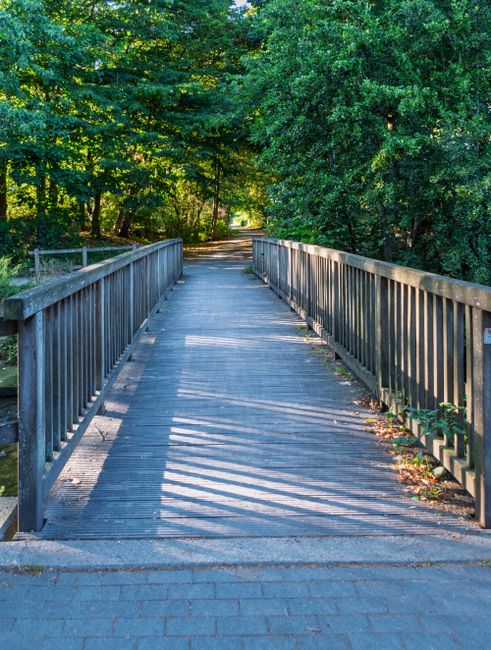
Beckenham Junction Garden Access Solutions Gardeners: Practical Ways to Make Side Returns, Pathways and Entries Easier to Use
If your garden is awkward to reach, the whole space can start to feel underused. A narrow side return, a slippery step, a gate that catches every time you open it, or a path that turns muddy after a wet week can quietly make routine gardening harder than it should be. That is exactly where Beckenham Junction garden access solutions gardeners come in: not as a flashy makeover, but as thoughtful, practical work that makes the garden easier to enter, move through, maintain, and enjoy.
In a busy local area, access is rarely just about convenience. It affects safety, how often you use the garden, how well planting can be maintained, and whether the space works for children, pets, older family members, or visitors with limited mobility. This guide breaks down what garden access solutions actually involve, how they work in practice, and what to consider before you make changes. You will also find a checklist, a comparison table, and a realistic example so you can judge what makes sense for your own space.
Why Beckenham Junction garden access solutions gardeners Matters
Access sounds simple until you live with poor access every day. A garden can look lovely from the kitchen window and still be a pain to use if the route into it is awkward. In practice, gardeners deal with all sorts of barriers: long wet grass near the back door, cracked paving, tight turns around shed corners, heavy gates, or beds placed so close together that a wheelbarrow barely fits.
In and around Beckenham Junction, many gardens have the kind of shape that creates access issues naturally: side passages, narrow terraced layouts, old patio levels, and mature planting that has expanded a bit too enthusiastically over time. To be fair, it only takes one or two awkward pinch points for routine jobs to become a chore. Carrying compost bags, moving tools, pruning shrubs, or even taking out waste can start to feel like a workout nobody asked for.
Good access planning matters because it changes how the garden functions. A better route through the space makes maintenance quicker, reduces trips and slips, and helps you use the whole garden instead of just the parts that are easiest to reach. It also supports more ambitious design choices. For example, if you want a layered planting scheme, a pergola, raised planters, or a child-friendly play area, the access route needs to support those features rather than fight them.
There is also a long-term angle. Garden access work often improves drainage, reduces soil compaction in the wrong places, and makes it easier to care for borders properly. That means healthier planting, fewer rushed repairs, and less frustration when the weather turns. If your garden has been slowly getting harder to manage, access solutions can be the turning point that brings it back under control. For a broader view of getting an overgrown space back into shape, see starting a neglected garden makeover with purpose and vision.
How Beckenham Junction garden access solutions gardeners Works
At its simplest, access work is about removing barriers between people and the parts of the garden they need to reach. That might mean a wider gate, a clearer path, better surface material, improved lighting, a more logical route to storage, or a design change that prevents muddy, worn channels from forming in the first place.
Most projects start with a quick but honest survey of how the garden is used. A gardener will look at where you enter, what you carry, which areas get the most foot traffic, and what is causing the bottleneck. The answer is not always major construction. Sometimes the best solution is simply tidying overgrown edges, re-leveling a section of paving, or shifting a bed border by a few inches so movement feels natural again.
In a local context, access design often combines soft landscaping and hard landscaping. Hard landscaping covers the practical structure: paving, steps, edging, retaining features, gates, and paths. Soft landscaping covers planting choices and layout: what goes where, how wide the borders should be, and how to keep growth from crowding access points. A well-planned garden does both jobs at once.
There is a sequence to it, usually:
- Observe how the garden is currently used, not how you wish it were used.
- Identify the main obstacles: narrow gaps, slippery areas, poor drainage, hidden edges, or awkward turns.
- Choose access improvements that suit the space, budget, and level of maintenance you want.
- Install or adjust the features in the right order, so the work is safe and efficient.
- Finish with a maintenance plan so the access stays usable, not just usable for a month or two.
That final step matters more than people expect. A beautiful new path is only useful if moss does not take hold, a hedge does not spill across it, and the drainage does not send water straight back onto the walkway. Garden access is one of those things that looks easy once it is right. Before that, not so much.
Key Benefits and Practical Advantages
Once access problems are solved properly, the benefits tend to show up in everyday life rather than in dramatic before-and-after photos. That is partly why it is such a good investment: the improvement is felt constantly.
- Easier maintenance: mowing, pruning, watering, and clearing leaves becomes faster and less awkward.
- Better safety: fewer trip hazards, less slipping, and clearer routes in wet or low-light conditions.
- More usable garden space: areas that once felt difficult to reach become part of the garden you actually enjoy.
- Improved storage access: tools, bins, hoses, and compost areas become easier to reach and manage.
- More inclusive design: children, older adults, guests, and anyone with mobility concerns can move around more comfortably.
- Cleaner finish: paths and access edges reduce the muddy wear patterns that make a garden look tired.
There is also a quiet psychological benefit. When access is poor, the garden starts asking for effort before you have even begun. When access is good, you are more likely to step outside, do five minutes of weeding, check the borders, or just sit with a cup of tea and enjoy the space. That little shift is bigger than it sounds.
Access solutions also support other garden improvements. If you are planning a low-maintenance design, a more open route often works beautifully with affordable gardening ideas for low-maintenance yards. If your space needs stronger boundaries, better entry routes can work alongside hedge trimming in Beckenham or planting choices that preserve sightlines and ease of movement.
Who This Is For and When It Makes Sense
Not every garden needs a full access redesign. Some just need a sharper eye and a few practical adjustments. But if one of the situations below sounds familiar, it may be time to take access more seriously.
- You struggle to reach the back of the garden without stepping around obstacles.
- Wheelbarrows, lawnmowers, or garden waste sacks are difficult to move through the space.
- Rain leaves the main route slippery, muddy, or uneven.
- A gate, side passage, or threshold is too narrow or awkward.
- Overgrown hedging, climbing plants, or borders have encroached on the route.
- You want a safer garden for children, older relatives, or pets.
- Maintenance tasks are being delayed because access feels like too much hassle.
It also makes sense if you are planning a wider redesign. Access is easiest to improve when other garden work is already happening. If you are considering planting upgrades, hardscape changes, or a more structured layout, it is worth looking at access early rather than as an afterthought. That is the sort of thing that saves time later. A lot of time, actually.
For households with pets, access needs a bit of extra thinking. Gates need to close properly, routes should not create escape points, and surfaces should be comfortable underfoot. If that sounds relevant, the article on sowing seeds of harmony with your dog is a useful companion read.
Step-by-Step Guidance
If you want to improve garden access without overcomplicating it, start with a simple process. You do not need to solve everything in one go.
1. Walk the route as if you were doing a real task
Carry a watering can, a trug, a bin bag, or a small tool. Notice where you slow down, turn awkwardly, or have to step around a mess of roots, pots, or debris. The best access improvements usually come from observing real movement, not abstract layout plans.
2. Mark the problem points
Look for pinch points, slippery sections, low branches, uneven paving, and areas that stay damp. A simple sketch helps. Even a rough note on paper can reveal why certain parts of the garden always feel awkward.
3. Decide what type of access fix you need
Not all problems need the same solution. A muddy shortcut might need paving or bark-free edging. A tight side return could need clearer storage placement and pruning. A poor entrance might need a better threshold, gate adjustment, or improved lighting. Keep the fix proportional to the issue.
4. Clear or reduce the obstructions
This is where overgrown material, old pots, broken edging, and wayward growth should be dealt with. Sometimes this phase is more important than the installation itself. A path cannot function properly if the edges are swallowing it whole.
5. Improve the surface or structure
Choose a route material that suits the garden and the way it is used. Paving, compacted aggregate, stepping features, sleeper edging, or a widened passage can all work, depending on the site. Drainage should be considered at the same time, not later.
6. Add finishing details
Lighting, tidy edges, handrails where needed, and sensible planting can make the route pleasant as well as practical. If the access line is clear, people naturally use it. If it feels cramped or overworked, they tend to avoid it.
7. Build in maintenance
Access is not a one-off job. Trim growth that starts to spill back in, remove moss where it appears, check gate hardware, and keep the route clear of storage clutter. The work only stays useful if it is kept that way. Simple, but easy to forget.
Expert Tips for Better Results
Experience has a way of teaching what looks obvious in hindsight. These are the kinds of details that tend to make the biggest difference.
- Think in terms of movement, not just appearance. A garden can look balanced on paper and still be annoying to use. Movement should lead the layout.
- Keep the main route the clearest route. Do not let pots, ornaments, and ornamental planting squeeze the very path you use most often.
- Use planting to guide movement. Soft borders can gently direct people through a space without making it feel boxed in.
- Prioritise drainage near thresholds and narrow runs. This is where water often pools and where slipping is most likely.
- Choose materials that match real-life use. If the route gets daily footfall, it needs to be tough, tidy, and easy to clean.
- Work with the garden's shape instead of fighting it. A narrow side access may need a slimmer, better-organised route rather than a dramatic redesign.
If access work is tied into hedge care or screening, check the balance between privacy and usability. A dense green wall can be lovely, but if it turns the passage into a tunnel, you will notice it every time you carry something heavy. For more on that balance, strengthening privacy with vigorous growing hedges is useful background.
One small human truth: people often assume the "best" solution is the most expensive one. Not always. Sometimes the best result comes from moving a gate line, opening up a corner, and trimming back a border. A little less drama, a lot more function.
Common Mistakes to Avoid
Access projects go wrong when they are treated as cosmetic jobs first and functional jobs second. Here are the mistakes we see most often.
- Ignoring the real route: designing around a perfect-looking path nobody actually uses.
- Making access too narrow: forgetting about wheelbarrows, mowers, sacks, and awkward turning space.
- Choosing slippery surfaces: especially in shaded or damp areas.
- Blocking future maintenance: planting or edging in a way that makes later pruning and clearing difficult.
- Overcrowding the entry point: too many features near the gate or doorway create friction every day.
- Skipping drainage thinking: water has a habit of finding the weakest spot. It always does.
- Forgetting lighting: poor visibility makes otherwise decent access feel unsafe after dusk.
Another common issue is trying to solve all access problems with plants alone. Plants can soften a route and help define it, but they rarely fix slope, puddling, or structural pinch points on their own. That is where a more practical approach pays off.
If weeds are part of the problem, especially along narrow routes and edges, it is worth reading three expert tips for tackling garden weeds effectively. Weeds can make an access line feel messy fast, and once they root into joints or edging, they become tedious.
Tools, Resources and Recommendations
You do not need a huge kit to improve access, but the right tools make planning and upkeep much easier.
- Measuring tape: useful for checking widths, gate openings, and turning space.
- Hand trowel and edging tools: for clearing overgrowth at the margins.
- Spirit level or similar check: helpful when assessing uneven routes or slight slopes.
- Wheelbarrow or garden cart: a practical test of how usable the route really is.
- Pruning tools: for reducing encroachment from shrubs, climbers, and hedges.
- Lighting options: especially useful near steps, doors, and dark side passages.
- Non-slip cleaning tools: important if moss or algae build up on paving or decking.
For a broader sense of what supports garden work day to day, transform your garden with these essential tools is a practical companion article. If your access project includes decks or patios, it is worth checking how those surfaces fit into the route. Sometimes the route is good, but the adjacent material is what causes the trouble.
Useful service pages to understand the wider picture include gardening services, garden maintenance, landscaping, and patio cleaning. They cover the kinds of work that often sit alongside access improvements, even if the job starts with one small problem area.
Law, Compliance, Standards, or Best Practice
For domestic gardens, access improvements are usually guided more by good practice than by heavy regulation. Even so, there are sensible standards to keep in mind, especially if the work affects safety, boundaries, steps, or shared access.
Good practice means planning for stable footing, sensible route widths, secure gates, and surfaces that do not become slippery far too easily. If a project involves changes near walls, fences, trees, drainage runs, or party boundaries, careful checking matters. In some cases, professional advice helps avoid problems that only show up later. That includes things like root interference, structural movement, or drainage issues hidden beneath the surface.
If the garden is used by children, older adults, or anyone with limited mobility, the threshold for "good enough" should be a bit higher. Clear routes, low trip risk, and secure edges are not luxuries. They are part of a workable garden. A useful background read here is setting up a safe outdoor space for children's play, because access and safety often overlap more than people expect.
It is also sensible to keep records of any major work, especially if it affects ongoing maintenance, access to utility points, or tree and hedge management. For service expectations, pricing clarity, and project discussions, pages such as pricing and quotes, terms and conditions, and health and safety policy can help set the right expectations before work begins.
Options, Methods, or Comparison Table
The right access solution depends on how the garden is used, how much change you want, and how much upkeep you are comfortable with. Here is a plain-English comparison.
| Access method | Best for | Pros | Watch-outs |
|---|---|---|---|
| Re-graded path or threshold | Uneven or awkward entry points | Feels natural, improves flow, can solve a recurring trip hazard | May require more planning and skilled work |
| Gate widening or adjustment | Narrow entrances and tight side passages | Makes tool movement easier, improves everyday use | Needs accurate measuring and sometimes boundary care |
| Hard landscaping route | Regular foot traffic and wet conditions | Durable, clean, reliable in frequent use | Needs the right material choice and drainage |
| Soft landscaping route | Gentler gardens with lower footfall | More natural look, lower visual impact | Can need more ongoing upkeep |
| Clearing and pruning only | Minor crowding and overgrowth | Fast, cost-aware, often surprisingly effective | Won't solve structural issues on its own |
As a rule of thumb, the more often a route is used, the more you should lean toward durable, low-maintenance access. If the route is occasional and the garden is decorative, softer solutions may be enough. Truth be told, the best answer is often a mix: a solid access line, tidy planting on the edges, and pruning that keeps everything honest.
If your garden also needs stronger boundary structure or a clearer layout, fencing and decking services may become part of the overall plan. They are not access fixes by themselves, but they can make the route feel finished and secure.
Case Study or Real-World Example
Here is a realistic example from the sort of work that comes up often. A homeowner has a modest rear garden with a narrow side access, a gate that sticks, and a worn strip of ground running from the patio to the shed. Over winter, the route turns muddy. By spring, the lawn edge is ragged, and tools are being carried around the problem instead of through it.
The first step is not to replace everything. It is to understand what the garden needs most. The access route is measured, the gate is adjusted, and the overgrown border is cut back. A small section of more stable surface is introduced where feet have been slipping. The edge of the path is tidied so the route feels obvious instead of improvised.
Then the planting is changed slightly. A few vigorous growers are kept well away from the entry line, while lower plants and controlled edging are used near the route. That makes the access feel open again without removing the garden's character. The result is not dramatic in the flashy sense, but daily life gets easier. The shed is reachable. The mower comes out without a struggle. The space feels bigger, oddly enough.
That sort of improvement is why access work is so satisfying. It solves a practical problem, but it also changes how people use the space. A garden that is easy to enter gets used more. A garden that gets used more stays healthier. It is a pretty neat chain reaction.
Practical Checklist
Use this checklist before you start making changes. It keeps the job focused.
- Identify the main access route and test it with real garden tasks.
- Note where the route narrows, slips, or gets blocked.
- Check whether gates open smoothly and wide enough.
- Look for overgrowth, broken edging, or trip hazards.
- Assess drainage after rain, especially near entries and paths.
- Decide whether the issue is structural, surface-based, or caused by planting.
- Confirm what needs to stay visible and reachable: bins, taps, shed, compost, or storage.
- Choose materials and methods that suit both the garden and the level of maintenance you want.
- Plan follow-up upkeep so the route stays clear.
- Get professional input if the issue involves levels, retaining work, trees, or awkward boundaries.
If your space is also weather-exposed, it may be worth factoring in resilience at the same time. A route that works in dry weather but fails in heavy rain is not really solved. For that angle, crafting a resilient garden protected from severe weather risks offers helpful context, and gardening in high winds is useful too if your garden is exposed.
Conclusion
Beckenham Junction garden access solutions gardeners are really about removing friction. Not in a grand, dramatic way. In the ordinary, day-to-day way that matters most. Better access means a garden that is safer, easier to maintain, and far more pleasant to use. It means fewer little annoyances each week, and more moments where the space feels open again.
The best access work is thoughtful rather than showy. It respects the shape of the garden, suits the way you live, and makes room for practical use without stripping away charm. Sometimes that means a wider gate. Sometimes it means smarter planting. Sometimes it means cleaning up the route you already have and making it work properly. All of that counts.
If your garden has become harder to move through, this is the moment to address it. A small improvement now can save a lot of bother later, and honestly, that feels good. A garden should welcome you in, not make you negotiate with it every time.
Get a free quote today and see how much you can save.
For more about the team behind the work, you can also read about us and, when you are ready to discuss your own garden, visit contact.
Frequently Asked Questions
What are garden access solutions in practical terms?
They are the changes that make it easier to enter, move through, and maintain a garden. That can include paths, gate adjustments, clearer routes, safer surfaces, better edging, and pruning that stops access points being blocked.
Do I need a full redesign to improve access?
Usually not. Many gardens benefit from a few targeted changes rather than a full overhaul. Clearing overgrowth, improving a gate, or fixing a slippery section can make a much bigger difference than people expect.
What type of access issue is most common?
Narrow routes and slippery surfaces are very common, especially where side passages or shaded paths stay damp. Overgrown borders and awkward gate openings are close behind.
Can access improvements help with garden maintenance?
Absolutely. If you can reach the right areas more easily, tasks like mowing, edging, watering, and waste removal become simpler and quicker. Maintenance tends to stay on top of itself once access is sensible.
Are access solutions useful for older adults or people with mobility concerns?
Yes. Clear routes, fewer level changes, and more stable surfaces can make a garden much easier to use. It is wise to think about safety and comfort together, not separately.
How do I know whether the problem is the surface or the layout?
Walk the route with a real task, like carrying a watering can or wheelbarrow. If the route feels awkward even when clean and clear, the layout may be the issue. If it feels fine until it rains, the surface or drainage may be the bigger problem.
Can planting affect access?
Very much so. Borders that spread too close to the route, fast-growing climbers, and loose edging can all reduce usable space. The right planting can also help guide movement and soften a route nicely.
What should I ask before starting access work?
Ask what the main barrier is, how often the route is used, whether drainage is part of the issue, and whether the change needs to be temporary, low-maintenance, or long-term. Those questions keep the project grounded.
Will access improvements make my garden look less attractive?
Not if they are designed well. In fact, a clear route often makes a garden look tidier and more intentional. Good access usually improves the look of the garden because the layout starts to make sense.
How often should access routes be checked?
It is sensible to check them seasonally, and after heavy rain or windy spells. Growth changes quickly in UK gardens, so a route that worked in spring can look quite different by late summer.
What if my garden has both access problems and overgrowth?
That is very common. In many cases, access gets restored first by pruning and clearing, then improved further with changes to the path or entrance. The two issues usually feed each other.
Where should I start if I am unsure?
Start with the route you use most often. Fix the biggest obstruction first, then work outward. That keeps the job manageable and gives you quick wins, which is often the best way to build momentum.