Same day gardeners response for Beckenham storm damage: fast, calm help when your garden needs it most
Storms have a nasty habit of turning a tidy garden into a mess in minutes. One minute your fence is standing straight, the next there's a broken branch across the lawn, a tipped planter, or a hedge half-stripped by the wind. If you need a same day gardeners response for Beckenham storm damage, the real priority is simple: make the space safe, stop the damage from spreading, and get the garden back under control before a small issue becomes a bigger repair bill. This guide explains what that response usually involves, who it helps, and how to handle the first hours after bad weather without panicking.
Storm recovery is not just about tidying debris. It often means checking for hidden hazards, assessing plants and structures, and deciding which jobs can wait and which need urgent attention. That's where a quick, practical response matters. Let's walk through it properly.
Why Same day gardeners response for Beckenham storm damage Matters
Storm damage in a garden looks cosmetic at first glance, but that can be misleading. A snapped limb, loosened fence panel, or waterlogged border may seem minor, yet the knock-on effects can spread quickly. A branch resting on a shrub can crush it further overnight. A leaning trellis can pull out a climber's roots. Saturated soil can turn a healthy bed into a muddy slip risk. To be fair, the garden often gives you warning signs before things get worse - if you know what to look for.
Speed matters because weather damage is rarely isolated. Wind, rain, and debris often create a chain reaction. A broken panel can expose a patio. A damaged hedge can remove privacy and wind protection. A blocked drain or compacted soil can leave standing water, which then affects lawns, borders, and even nearby decking. If you have children, pets, or vulnerable access routes, urgency matters even more.
For households in Beckenham, a same-day response can also reduce stress. You do not want to spend an entire weekend staring at scattered branches and wondering whether the apple tree is still safe. Sometimes the most valuable thing a gardener brings is not just labour, but calm judgement. That alone can make a rough day feel manageable.
If the storm has affected more than the garden surface, it's wise to review related site and safety information too, including insurance and safety guidance and the company's health and safety policy, especially if work may involve sharp tools, unstable structures, or heavy lifting.
How Same day gardeners response for Beckenham storm damage Works
A proper same-day storm response is usually organised in a simple sequence. First comes a quick description of the damage. Then the gardener prioritises safety, decides what can be made secure immediately, and plans the first round of clean-up or stabilisation. The aim is not to rebuild the whole garden in one visit. It is to make the site safe, tidy, and ready for proper restoration.
In practice, that may include inspecting trees and shrubs, removing loose debris, tying back damaged growth, securing or removing fallen sections of fencing, clearing blocked paths, and checking for hidden hazards around patios or decking. If there is serious structural concern - for example, a large tree limb under tension - the job may need a more specialist approach. A responsible gardener will say so plainly instead of guessing. That honesty is worth a lot.
Good same-day response work also includes a quick damage plan. What needs attention now? What can wait until the ground dries? What should be photographed for records before anything is moved? Small details matter here. In wet, windy conditions, a rushed clean-up can make things worse. A thoughtful process is faster in the long run, even if that sounds a bit backwards.
If the storm has made the garden overgrown, tangled or harder to manage, a follow-up visit may link naturally with garden maintenance, tree surgery, or fencing work once the immediate risk has been handled.
Key Benefits and Practical Advantages
There's a reason people search for urgent help after a storm rather than waiting a week. Fast action solves more than one problem at once.
- Safety comes first. Loose branches, slick paths, sharp timber and unstable posts can create hazards very quickly.
- Further damage is reduced. A supported shrub, cleared gutter line, or stabilised fence can stop the issue spreading.
- Recovery starts sooner. Once debris is gone, you can actually see what the storm did and make better decisions.
- Emotional pressure drops. Sounds small, but a clean space helps you think clearly. Honestly, that matters.
- Insurance records are easier to manage. If you need photographs, notes, or a tidy chronology of the work, early response helps.
There is also a practical design benefit. Storms expose weak points in a garden layout. Maybe the hedge was too exposed. Maybe the tree canopy needed thinning. Maybe the patio slope sheds water the wrong way. A same-day response can be the first step in making the garden more resilient, not just more tidy. That long view is where a good gardener really earns their keep.
For homeowners who want less ongoing hassle after the emergency is over, it may be worth looking at lawn care, lawn mowing, or even landscaping if storm damage has exposed bigger design issues.
Who This Is For and When It Makes Sense
This service is for anyone whose outdoor space has been hit by sudden bad weather and needs prompt attention. That includes private homeowners, landlords, tenants with garden responsibilities, property managers, and families who simply want the garden safe again before the next school run or evening meal. It also makes sense if the garden is used daily and the damage is blocking access or creating a real nuisance.
Some common situations include:
- fallen branches on lawns, borders, or paths
- uprooted shrubs or leaning small trees
- broken fence panels or loose posts
- flattened beds and shredded planting
- mud, leaf litter, and debris spread across the garden
- blocked side access or slippery paving after heavy rain
It is especially useful if you are not comfortable clearing heavy debris yourself, if you have limited time, or if the garden contains older structures that may fail under more disturbance. Truth be told, some storm damage looks "manageable" until you start pulling at it. Then everything shifts a bit, and that's usually the moment people are glad they called for help.
If storm damage has left your outdoor area feeling chaotic, you might also find value in content on resilience and winter preparation, such as protecting gardens from severe weather risks and fortifying the garden against winter.
Step-by-Step Guidance
Here is the most sensible way to handle storm damage before and during a same-day visit.
- Do a visual scan from a safe distance. Look for broken branches, leaning trees, dangling wires, loose panels, pooled water, and anything resting awkwardly.
- Keep people and pets away from obvious hazards. If something looks unstable, do not test it by pushing or tugging. That's how you make a bad afternoon worse.
- Take photos before moving anything. This helps with memory, records, and any later claim or repair discussion.
- Identify the urgent jobs. Safety hazards come first, then access, then visible clean-up.
- Clear the simplest debris. Small twigs, leaves, and surface litter can often be moved straight away if conditions are safe.
- Stabilise rather than "fully fix" where needed. Sometimes a temporary tie-back or support is the right call until proper repair can happen.
- Check surrounding areas. Storm damage often spreads beyond the obvious point. Look near walls, sheds, gates, and paths.
- Plan the follow-up work. A neat temporary response now can lead into pruning, replanting, fence repair, or lawn recovery later.
One small but useful habit: walk the garden again after the first tidy-up. Things reveal themselves once the obvious debris is gone. A split post becomes visible. A torn root ball stands out. A patch of compacted soil suddenly looks much worse than it did in the chaos.
For readers who want to understand how a service visit is typically organised, the general approach often sits alongside broader gardening services and the practical details set out in pricing and quotes.
Expert Tips for Better Results
Storm recovery gets better when you avoid the obvious traps. A few practical habits make the work faster and safer.
- Don't pull on anything under tension. A branch or panel may shift suddenly. If it flexes, leave it alone.
- Work top-down where possible. Remove loose material before heavier items so you are not walking over fresh debris.
- Protect the soil. If the ground is saturated, keep foot traffic light. Repeated trampling can damage roots and compact the bed.
- Separate green waste from repair waste. That makes disposal and sorting easier later on.
- Use the moment to spot recurring weak points. The same corner of the garden always floods? The same hedge always catches the wind? That is useful information, not bad luck.
If you like building a garden that can bounce back better next time, look at windy-garden advice such as gardening in high winds and resilient planting ideas from ground cover planting. These are not storm fixes in themselves, but they help reduce future exposure.
Also, for anyone thinking longer term, a more sheltered structure can make a huge difference. Hedges, climbers, and layered planting help break the force of wind in a way that plain open borders simply cannot. A garden with a bit of shelter feels different. Quieter, even.
Common Mistakes to Avoid
Storm damage is stressful, and stress makes people rush. That is understandable. Still, a few mistakes come up again and again.
- Starting with the biggest branch first. It feels productive, but it can be the most dangerous place to begin.
- Ignoring hidden damage. A fence panel may look salvageable while the post beneath it is badly split.
- Walking through waterlogged beds. This can crush roots and leave the bed worse off for weeks.
- Assuming the garden is safe because the obvious debris is gone. Loose timber, compromised tree limbs, and slippery surfaces may still be there.
- Doing permanent repairs too quickly. Temporary stabilisation first is often the smarter move.
- Forgetting to document the damage. One phone photo can save a lot of confusion later.
Another common issue is trying to "save" every plant at once. Sometimes the best recovery plan is selective. A battered shrub may bounce back. Another may need pruning back hard. A third may be too damaged and better replaced in the next season. Garden recovery is a judgement call, not a performance.
For plant-loss decisions and replanting plans, useful reading includes annual and perennial plant choices and low-maintenance gardening ideas. Those choices can make the next phase a lot easier.
Tools, Resources and Recommendations
The right tools make storm clean-up safer and less fiddly. You do not need a van full of equipment for every job, but you do need the basics done properly.
| Need | Useful tools | Why they help |
|---|---|---|
| Surface clean-up | Rake, leaf grabber, heavy-duty bags | Good for wet leaves, twigs, and smaller debris |
| Branch removal | Secateurs, loppers, pruning saw | Helps cut back broken growth safely |
| Access restoration | Shovel, broom, wheelbarrow | Makes paths and entrances usable again |
| Temporary securing | Soft ties, garden twine, stakes | Useful for supporting plants without causing more damage |
| Structural checks | Gloves, torch, stable footwear | Helps inspect awkward corners and damp edges safely |
Beyond tools, the most useful resources are good records, a clear sense of priority, and a service provider who can explain what they are doing without jargon. If you need help understanding how the company handles standards or payments, the relevant pages on payment and security and the terms and conditions are worth a look before any work goes ahead.
There is also a practical design angle. After a storm, many people decide to simplify their garden a little. Fewer fragile pots. Better anchoring. More resilient surfaces. Maybe a more sheltered seating corner. If that sounds familiar, browsing ideas like restful garden seating or vertical gardens can spark a calmer, sturdier layout.
Law, Compliance, Standards, or Best Practice
Storm recovery in a garden is usually straightforward, but there are still sensible standards to follow. If a tree or branch is unstable, the work should be handled with care and only by someone with the right experience. If fencing, walls, decking, or hard landscaping are involved, it is better to treat them as potential safety issues rather than simple tidy-up jobs.
In the UK, best practice is to work safely, keep people away from hazards, and avoid undertaking tasks that exceed your competence. If you are a landlord or managing a property, you also have a practical duty to keep outdoor access routes reasonably safe. That does not mean perfect. It means sensible, documented, and prompt action.
Where insurance is involved, good records help. Photos before and after, notes of what was damaged, and a written summary of urgent action all make life easier. If you need to understand how a company approaches claims-related work or site safety, pages such as insurance and safety and health and safety policy provide useful context.
Best practice also means knowing when not to improvise. A large hanging branch, a leaning tree close to a structure, or a heavily damaged fence on a boundary line may need specialist input. No one wins by pretending otherwise. Better to pause than to create a second problem.
Options, Methods, or Comparison Table
Not every storm-damaged garden needs the same kind of response. Here's a simple comparison to help you decide what level of help makes sense.
| Option | Best for | Strengths | Limitations |
|---|---|---|---|
| DIY tidy-up | Light debris, minor leaf fall, small twigs | Quick, low cost, immediate | Not ideal for unstable branches, heavy lifting, or hidden damage |
| Same-day gardener response | Mixed damage, urgent clean-up, safety checks | Fast, practical, reassuring, more thorough than DIY | May not cover major structural repairs in one visit |
| Specialist follow-up | Large tree issues, fence reconstruction, extensive landscaping | Better for complex or technical work | Usually slower to arrange and may involve multiple visits |
In real life, the best solution is often a mix. A same-day gardener gets the garden safe and workable. Then, if needed, a second stage handles pruning, replacement planting, fencing, or redesign. That stepped approach usually saves time and stress.
Case Study or Real-World Example
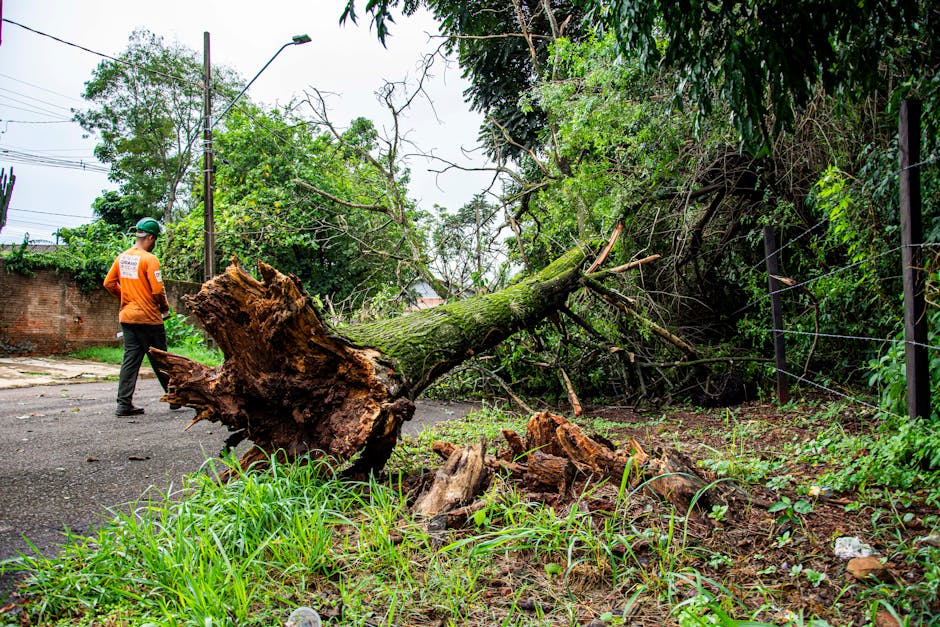
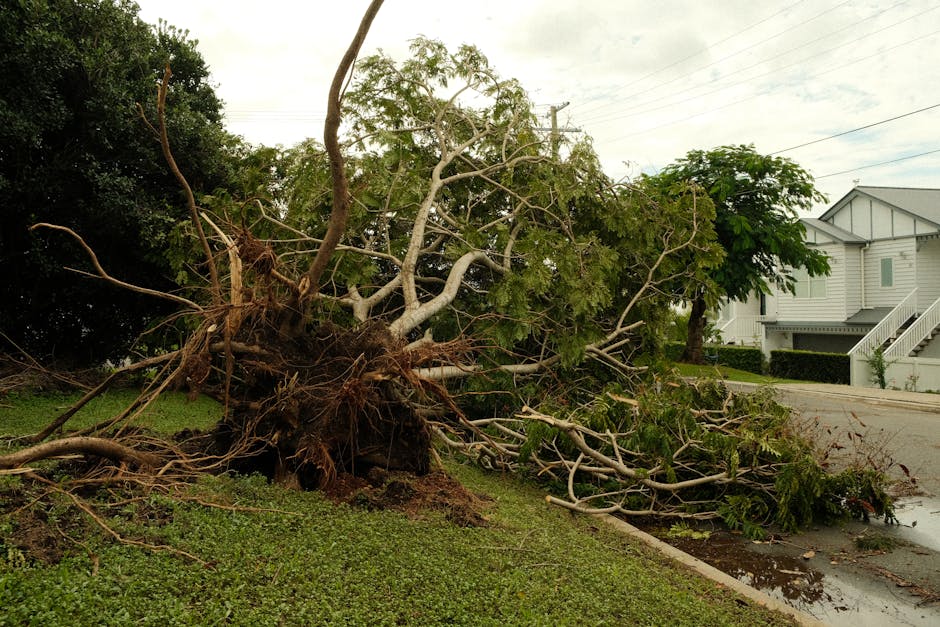
Picture a typical Beckenham garden after an overnight storm. By morning, a boundary fence is leaning, a silver birch has dropped a few major limbs, and a herb bed near the patio is buried under broken twigs and soggy leaves. The owner can still open the back door, but only just. There's also a child's path to the side gate, now slippery with debris. Not ideal.
A same-day visit would usually begin with a safety walk-through. The loose branches near the path are removed first, the ground is checked for hidden trip points, and the fence is secured enough to stop further movement. The gardener then clears the herb bed, checks the tree for ongoing instability, and assesses whether the shrub border has simply been battered or has actual root damage. It's the sort of situation where a calm pair of eyes helps more than frantic effort.
What tends to surprise people is how much better the whole garden feels once the first round of clean-up is complete. The space may still need follow-up work, but the pressure lifts almost immediately. You can see the patio again. The lawn stops looking like an obstacle course. And the next decision becomes manageable instead of overwhelming.
For homeowners who want to improve the garden after recovery, services like patio cleaning, decking services, or even hedge trimming in Beckenham can make the post-storm reset feel properly finished rather than half-done.
Practical Checklist
Use this checklist if you are dealing with storm damage right now or preparing to ask for help.
- Check for immediate hazards before entering affected areas
- Keep children and pets away from unstable branches or structures
- Photograph damage before moving items
- Make a quick list of urgent problems, in order
- Identify blocked access routes, broken fencing, and waterlogged areas
- Avoid pulling on anything that looks twisted or under tension
- Clear only the safest surface debris if conditions allow
- Separate storm waste from reusable garden material
- Note any plants that may need pruning or replacement later
- Arrange follow-up work for repairs, replanting, or redesign if needed
And one more thing: if the weather is still rough, don't rush the whole process. Sometimes waiting for a safer window is the smartest choice. Not glamorous, but sensible.
Conclusion
Storm damage can leave a garden looking abrupt and unsettled, but the right response turns chaos into a clear plan. A same day gardeners response for Beckenham storm damage is valuable because it brings safety, speed, and experienced judgement to a situation that is often more complicated than it first appears. The immediate goal is to remove danger and stabilise the space. The longer-term goal is to help the garden recover in a way that feels calm, practical, and lasting.
If the storm has left you uncertain about what to do next, start with the basics: document the damage, make the area safe, and get a professional view before taking on anything risky. A good response does not need to be dramatic. It just needs to be timely and sensible. That's usually enough to get things moving in the right direction.
Get a free quote today and see how much you can save.
Frequently Asked Questions
What counts as storm damage in a garden?
Storm damage usually includes fallen branches, stripped or snapped shrubs, leaning trees, broken fence panels, displaced pots, flooded borders, and debris that creates a safety risk. Sometimes the damage is obvious; sometimes it is hidden in loosened posts or stressed roots.
How quickly can a same-day gardener respond in Beckenham?
Same-day response means the issue is dealt with on the day you contact the service, subject to availability and weather conditions. In practice, the response time depends on demand, travel, and how urgent the situation is. If something is unsafe, mention that clearly when you call.
Should I clear storm damage myself before the gardener arrives?
Only if it is safe and simple, like moving light leaves or small twigs. Do not handle unstable branches, leaning trees, or damaged structures. If something bends, shifts, creaks, or looks under tension, leave it alone.
Will a gardener repair my fence after a storm?
Some gardeners can do minor or immediate stabilisation, but more extensive fence repairs may need a separate visit or specialist work. A same-day response often focuses on making the area safe first, then planning the repair properly.
Can storm damage affect lawns and soil as well as plants?
Yes. Heavy rain, debris, and trampling can compact soil, leave ruts in lawns, and damage root zones. A lawn may look only muddy at first, but if the ground stays waterlogged or is walked on too much, the recovery can take longer.
Is it worth calling a gardener if the damage looks minor?
Often yes, especially if you are unsure whether the damage is superficial. A small issue can hide a bigger problem, particularly around trees, fences, or drainage. A quick inspection can save time and prevent further deterioration.
What should I photograph after storm damage?
Take pictures of broken branches, leaning fences, damaged plants, fallen debris, blocked paths, flooded spots, and anything that looks dangerous. Capture the wider area too, not just close-ups. That gives a better record of what actually happened.
Will storm recovery include garden waste removal?
It often does, especially for branches, leaves, and general debris. However, disposal arrangements can vary depending on the scale of the job and the type of material involved, so it is worth asking how waste will be handled before work starts.
How do I know whether a tree needs specialist attention?
If a tree is leaning suddenly, has a major split, has hanging limbs, or is close to a building or boundary, specialist assessment is sensible. A responsible gardener will not pretend a risky tree is fine just to get the job done quickly.
Can a same-day visit help prevent future storm damage?
Yes, in a practical way. The visit can reveal weak fences, exposed planting, poor drainage, or trees and shrubs that would benefit from pruning or reshaping. It won't stop every future storm, of course, but it can make the garden more resilient.
What if the garden is too damaged for a quick tidy-up?
Then a same-day response can still be useful as the first stage. The garden may need follow-up work such as pruning, replacement planting, structural repair, or redesign. Getting the area safe and assessed early usually makes the rest much easier.
Where can I find more information before booking?
It helps to review service details, safety information, and how quotes are handled. Pages such as about the team and gardening services can give you a clearer picture before you decide what to do next.