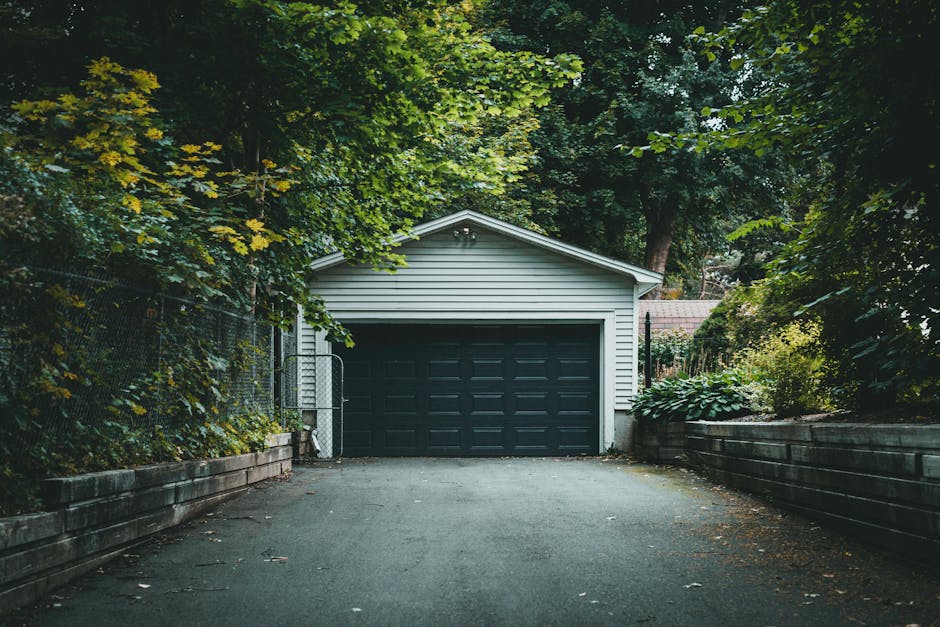
What to know about driveway access for Beckenham gardeners
If you are booking garden work at home, driveway access can make the whole job smoother than you might expect. For Beckenham gardeners, it affects how tools are unloaded, where waste is carried, how quickly a team can get in and out, and whether delicate surfaces stay protected. It sounds like a small detail, but in real life it often decides whether a visit feels easy or a bit of a faff.
In this guide, we'll walk through what driveway access means in practical terms, why it matters, and how to prepare for a visit without overcomplicating things. We'll also look at safety, best practice, common mistakes, and a simple checklist you can use before the team arrives. If your driveway is narrow, shared, sloped, gated, or busy with cars, this should help you think ahead and avoid the usual headaches.
One thing gardeners notice quickly: a well-planned access route saves time, reduces strain, and protects your property. That matters whether you've booked routine care, a one-off tidy-up, or something heavier like clearance or landscaping.
Table of Contents
- Why driveway access matters
- How driveway access works in practice
- Key benefits and practical advantages
- Who this is for and when it makes sense
- Step-by-step guidance
- Expert tips for better results
- Common mistakes to avoid
- Tools, resources and recommendations
- Law, compliance, standards, or best practice
- Options, methods, or comparison table
- Case study or real-world example
- Practical checklist
- Conclusion
- Frequently asked questions
Why driveway access matters
Driveway access is about more than simply "can the team get in?". It covers the whole movement of people, tools, materials, waste bags, and sometimes larger equipment from the street to the garden and back again. If access is straightforward, the work tends to feel organised and calm. If access is awkward, everything takes longer. And yes, even a few extra minutes of carrying can add up fast over a full day.
For many Beckenham homes, access is shaped by older property layouts, shared entrances, side gates, parking pressure, or tight front drives. A gardener might be able to carry hedge trimmings through a side passage, but if the route is cramped, muddy, or blocked by bins, the job becomes slower and more physically demanding. You will notice this most on heavier tasks such as garden clearance, tree work, or moving soil, compost, timber, and paving materials.
There is also a property-protection angle. Driveways often include resin, block paving, gravel, tarmac, or decorative edging. These surfaces can mark more easily than people think, especially with wheeled barrows, sharp tools, or wet debris. A good access plan helps avoid scuffs, compaction, spillages, and accidental damage to gates or fence panels.
Expert summary: good driveway access is not just convenient; it is part of good job planning. It reduces risk, improves pace, and makes the whole visit feel more professional. Simple as that.
For a homeowner comparing quotes, access can even affect price and scheduling. A team may need extra time, extra labour, or a different vehicle setup where access is limited. That is why reputable providers usually ask questions about parking, gate width, surface type, and whether waste can be moved directly to the driveway.
If you are also looking at broader garden work, it can help to review the full scope of gardening services or pair access planning with garden maintenance so the visit is organised from the start.
How driveway access works in practice
In practical terms, driveway access is the route and space a gardener uses to reach the working area. That might mean parking a van close to the property, opening a gate wide enough for tools or barrows, or using the driveway as a temporary loading zone for clippings, branches, and waste.
Usually, the process starts before the visit. A good team will ask a few basic questions: Can a van park nearby? Is the driveway shared? Are there steps or a steep slope? Is there a side return? Can waste be taken out through the front? These questions sound basic, but they matter because the answers shape how the job will be handled. No guesswork, ideally.
On the day, the gardener may do a quick site check before unloading. They will look for trip hazards, narrow points, low branches, fragile paving, or areas where mud could be tracked across the drive. If there is a lot of waste involved, they may set down protective sheets or choose a route that keeps the heavier traffic off delicate edges.
If you are arranging more than routine tidying, access becomes even more important. For example, landscaping materials, topsoil, fencing components, or heavy bags of aggregate need a clearer path than a simple lawn mow. It is one thing to carry a few hand tools; quite another to move bulky materials without chipping a slab or blocking the whole front path.
Driveway access also affects timing. A straightforward job with clear access may be completed in one smooth block of work. A complicated one may need more pauses, more repositioning, and a more careful approach. Nothing dramatic, just a bit more choreography. That is the reality, really.
Key benefits and practical advantages
When driveway access is properly planned, the benefits are immediate and easy to feel. The team arrives, gets set up quickly, and starts work without the usual stop-start routine. For the homeowner, that means less disruption and fewer awkward conversations about where to put bags, tools, or vehicles.
- Faster setup: less time spent manoeuvring equipment means more time on the actual garden work.
- Cleaner surfaces: reduced tracking of soil, clippings, and wet debris across the drive.
- Better safety: fewer lifting risks, fewer carrying hazards, and less chance of tools being left in the wrong place.
- Lower chance of damage: careful routing protects paving, gates, edging, and parked cars.
- More accurate planning: it becomes easier to judge labour needs, timings, and waste removal.
- Less stress for everyone: and that is no small thing on a busy weekday morning.
There is another benefit people often overlook: better access can improve the quality of the work itself. When a gardener is not constantly weaving around obstacles or hauling materials the long way, they can focus more on the finish. That matters in jobs like hedge trimming, lawn care, or patio cleaning, where a tidy edge and clean finish make a visible difference.
For homeowners who want to combine access planning with other improvements, services such as patio cleaning, lawn mowing, or hedge trimming can all benefit from a clear route in and out.
Who this is for and when it makes sense
Driveway access matters for almost anyone booking garden work, but some situations make it especially important.
Homeowners with narrow or shared driveways
If two properties share access, or if the driveway is only just wide enough for a car, coordination becomes essential. A van may need to park in a specific spot. Gates may need to stay open. Neighbours may need a quick heads-up. None of this is unusual, but it does need sorting.
People booking heavier or messier work
Jobs involving hedge waste, tree branches, overgrown beds, green waste removal, or soil movement are far more sensitive to access than light maintenance. If you are planning garden clearance or tree surgery, the access route should be discussed early.
Anyone with valuable or delicate surfaces
New paving, resin driveways, decorative gravel, painted gates, and period stonework all benefit from care. Even a wheelbarrow can leave an imprint on a soft surface if the route is not thought through. Truth be told, it is usually easier to protect surfaces before work starts than to fix a mark afterwards.
People with access, mobility, or timing concerns
If you need the work done while children are coming and going, or if there are mobility considerations, a cleaner, more direct access plan makes life easier. The same goes for customers who prefer minimal disruption and a quick turnaround.
If your project is more than a tidy-up, you may also want to explore broader support such as landscaping or landscape gardening, where access planning becomes part of the wider job design.
Step-by-step guidance
Here is a simple way to prepare driveway access so the day runs smoothly.
- Check the width and turning space. Can a van reasonably stop nearby, or will it need to park further away? Think about gates, bends, and any tight corners.
- Look for obstacles. Cars, bins, bikes, garden furniture, planters, and temporary storage all reduce usable space. If you can move them beforehand, do it.
- Measure the pinch points. Side gates, narrow passages, low arches, and steps are often the main bottlenecks. If barrows or larger tools are involved, these are worth noting.
- Protect the surfaces. Put down temporary coverings if needed, especially over soft paving, gravel, or freshly cleaned areas.
- Plan the waste route. Ask yourself: where will clippings, branches, and rubble go first? A short, direct route is usually best.
- Keep parking clear. If the gardener needs to unload near the driveway, it helps to leave the space open a little earlier than you think.
- Share useful details in advance. Mention locked gates, coded entry, shared access, awkward slopes, or anything that might slow things down.
- Review the finish. Once the job is done, check for tracked soil, stray cuttings, gate scuffs, or any missed waste. It only takes a minute.
A small bit of planning can prevent a surprisingly large amount of faffing about. And nobody wants that at 8 a.m. on a damp Tuesday.
Expert tips for better results
After enough site visits, a few patterns become obvious.
First, communicate the awkward bits early. If the access route is not ideal, say so before the team arrives. Most problems are not actually problems if people know about them in advance. A gardener can bring the right trolleys, sacks, or protective materials if they know what to expect.
Second, keep the approach route dry if possible. Wet leaves, muddy paving, and loose gravel make everything more slippery and messy. Even in Beckenham, where the weather can switch from mild to drizzly with barely any warning, a few minutes of prep helps.
Third, think about reverse exit, not just entry. Many people prepare for the team getting in, then forget about how waste or equipment will leave. That is where things often get clumsy. Entry and exit should both be easy.
Fourth, ask how the job will be staged. For larger jobs, it can help to unload near the front and work in sections. This is especially useful for lawn care, hedge work, or when a team is balancing multiple tasks in one visit.
Fifth, avoid overcomplicating the parking arrangement. If a driveway can comfortably fit one vehicle, do not also try to squeeze in the family car, a delivery, and a wheelie bin. It sounds obvious, but we have all seen it happen.
Practical tip: if in doubt, take a quick photo of the access route before the visit and mentally walk the path from van to garden. That usually reveals the snag points very quickly.
Common mistakes to avoid
The biggest access mistakes are rarely dramatic. They are usually small oversights that make the day harder than it needs to be.
- Leaving cars on the driveway: this is the classic one. It narrows the work zone and forces extra carrying.
- Forgetting side access width: a route that looks fine for a person may be useless for bags, tools, or garden waste.
- Ignoring surface protection: gravel shifts, paving marks, and wet soil spreads. It happens fast.
- Not mentioning a steep gradient: slopes affect wheelbarrows, lifting, and stability.
- Assuming all tools are small: larger equipment or waste sacks need more space than most people expect.
- Blocking gates and paths: even a partially blocked gate can slow the whole start of the job.
- Waiting until the team arrives to discuss access: by then, options are already limited.
Sometimes the issue is less about the driveway itself and more about the route between the driveway and the work area. A narrow passage, a locked rear gate, or uneven stepping stones can all turn a simple visit into a slightly awkward one. Nothing impossible. Just inefficient.
If you know the task involves heavy lifting, structural changes, or complex site movement, it may be worth discussing it alongside fencing or decking services, because those jobs often need their own access plan.
Tools, resources and recommendations
You do not need specialist equipment as a homeowner, but a few simple things can help a lot.
| Item | Why it helps | Best use |
|---|---|---|
| Measuring tape | Confirms gate and passage widths | Before the visit, especially for tight access |
| Temporary coverings or old boards | Protects paving and softer ground | Where barrows or heavy foot traffic are expected |
| Bin bags or garden sacks | Contains loose waste neatly | Leaf clearing, hedge cuttings, and light clearance |
| Phone camera | Records tricky access points | Useful for sharing a visual preview |
| Outdoor lighting | Improves visibility in darker months | Early starts or late finishes |
From a service-planning point of view, it can also help to review the provider's general approach to safety and customer confidence. Pages such as health and safety policy, insurance and safety, and about us can give you a better sense of how the work is handled. That may sound dry, but it is one of those details that reassures you once the team is actually on site.
If you are sorting out budget as well as access, take a moment to look at pricing and quotes so you understand how site conditions may affect the estimate. A tricky drive is not a disaster, but it can influence the amount of time and labour needed.
Law, compliance, standards, or best practice
For driveway access, the key point is not a single legal rule so much as sensible working practice. In the UK, gardeners and homeowners alike should think about safe access, clear movement routes, and the prevention of avoidable damage or injury. That includes careful manual handling, keeping pathways free of trip hazards, and ensuring vehicles are parked without creating unsafe obstruction.
If work is taking place on or near a public road, additional care may be needed for loading, unloading, or temporary parking. Local conditions vary, and any restrictions should be treated seriously rather than guessed at. The same goes for shared drives and communal entrances, where courtesy and communication matter as much as practicality.
Best practice usually means:
- planning access before the job starts
- keeping routes clear and visible
- protecting surfaces where needed
- lifting and moving materials safely
- respecting neighbouring properties and shared spaces
- being honest about access limitations when quoting or scheduling
For larger or more technical work, it is reasonable to expect a contractor to think ahead about the route for waste removal and equipment movement. That is one reason experienced teams ask more questions than you might expect. They are not being nosy. They are trying to avoid avoidable mistakes.
It is also sensible for customers to read the practical site terms and service conditions before work begins. The fine print is not exactly thrilling, but it does clear up expectations around access, timing, and responsibility. A bit of boring reading now can save an awkward conversation later.
Options, methods, or comparison table
Not every job needs the same access approach. Here is a simple comparison that may help you decide what level of preparation is sensible.
| Access approach | Best for | Advantages | Watch-outs |
|---|---|---|---|
| Direct driveway unloading | Routine maintenance, mows, light hedge work | Fast, tidy, minimal carrying | Needs a clear parking spot and open route |
| Short carry from street or curb | Smaller gardens or limited parking | Flexible if the drive is blocked | More labour, slower setup, greater strain |
| Shared or staged access | Terraces, semi-detached homes, awkward side paths | Can work well with planning | Needs communication and clear timing |
| Protected access route | Delicate paving, new finishes, high-value surfaces | Reduces damage risk | Takes more prep and materials |
For most homeowners, direct driveway unloading is the simplest option. But if the setup is more complicated, staged access can still work well. It just needs a bit more care. That is the honest answer.
Case study or real-world example
A typical Beckenham scenario might go like this. A homeowner books a spring tidy-up after noticing the borders are crowded, the hedge is overgrowing the path, and the lawn needs attention. The driveway is narrow, shared with a neighbour, and usually used by one car. Nothing extreme, but not exactly roomy either.
Before the visit, the homeowner moves the car to the street, clears two bikes from the side gate, and lets the gardener know that access through the rear passage is possible but a little tight near the recycling bins. That small bit of information changes the whole setup. The team arrives, unloads close to the drive, carries waste through the most direct route, and keeps the paving protected. The visit feels calm, tidy, and quicker than expected.
Now compare that with the same job without any preparation. The van arrives, the driveway is half-blocked, tools have to be ferried awkwardly, and waste bags need to be shuffled around parked vehicles. Still doable, of course, but slower and more tiring. You can almost hear the sigh from the team, and maybe from the homeowner too.
This is the practical lesson: access planning does not need to be perfect. It just needs to be clear. A few minutes of preparation can noticeably improve the result.
Practical checklist
Use this before the gardener arrives.
- Move any vehicles that would block unloading or waste removal
- Unlock gates and confirm which entrances will be used
- Clear bikes, bins, furniture, and loose items from the route
- Check whether the driveway surface needs protection
- Note any slopes, steps, narrow passages, or low branches
- Share any shared-access or neighbour considerations in advance
- Confirm where waste should be placed for collection or removal
- Make sure pets and children are kept away from the work route
- Leave enough space for tools, sacks, and barrows to pass safely
- Do a quick final walk-through before the team begins
If you want a more complete service visit, it can be useful to pair access prep with seasonal maintenance, hedge work, or even follow-on site improvement. That way the day has a clear start, middle, and finish. Nice and tidy.
Conclusion
What to know about driveway access for Beckenham gardeners comes down to one simple idea: the easier the route, the smoother the job. Clear access helps protect your driveway, reduces delays, supports safer handling, and makes the whole visit less stressful for everyone involved. Whether you are booking lawn care, garden clearance, hedge trimming, or a larger landscaping project, a little planning goes a long way.
To be fair, most access issues are completely manageable. You do not need a perfect driveway or a grand entrance. You just need a clear route, a bit of communication, and a realistic sense of what the work involves. That is usually enough to turn a potentially awkward visit into an easy one.
Get a free quote today and see how much you can save.
If you are ready to take the next step, start by thinking through the access route, the parking, and the surfaces you want to protect. Small details, big difference. That is the quiet truth of it.
Frequently Asked Questions
What does driveway access mean for gardening work?
It means the route and space a gardener uses to reach your garden, unload tools, move waste, and leave safely. It includes parking, gates, paths, and any tight points along the way.
Why is driveway access such a big deal for gardeners?
Because it affects timing, safety, labour, and how much carrying is needed. Better access usually means smoother work and less risk of damage to surfaces or gates.
Do gardeners need full driveway access for every job?
Not always. Small maintenance jobs can sometimes be handled with limited access, but heavier work like clearance, tree work, or landscaping usually benefits from a clear route.
Should I move my car before the gardeners arrive?
Yes, if the car would block unloading, waste removal, or the main route into the garden. It is one of the easiest ways to help the visit run smoothly.
What if my driveway is narrow or shared?
That is common, especially in suburban streets. The key is to explain it early so the team can plan parking, entry, and waste movement properly.
Can a gardener work if the access route is through a side passage?
Often yes, provided the passage is wide enough and free from obstacles. The team will usually want to know about any steps, slopes, or fragile surfaces first.
Will poor driveway access increase the price?
It can, because limited access may take more time or labour. A clear quote should reflect the site conditions honestly, rather than leaving surprises for later.
How can I protect my driveway during garden work?
Clear the area, keep the surface dry if possible, and ask the team whether protective coverings are needed. This is especially useful for gravel, resin, or decorative paving.
What should I tell the gardener before the visit?
Tell them about gate widths, parking restrictions, shared access, slopes, pets, locked entrances, and any fragile surfaces. The more practical detail you give, the better.
Is driveway access important for garden clearance?
Yes, very much so. Clearance jobs often involve bulky waste and repeated trips, so a direct route can make a huge difference to speed and safety.
Does access matter for small jobs like lawn mowing?
Yes, although less dramatically. Even for lighter work, a clear parking spot and open route save time and reduce disruption.
What is the best way to prepare if I am not sure what the team needs?
Take a quick walk from the street to the garden and look for anything that could slow down movement. If in doubt, mention it when arranging the visit. That usually clears things up fast.