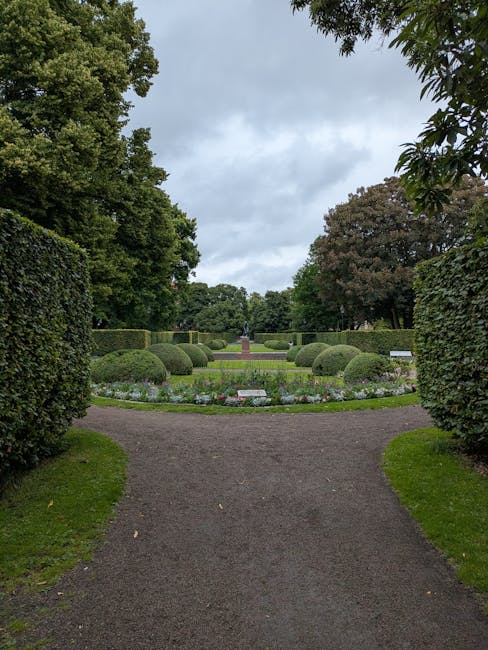
Gardeners for Beckenham Place Park projects BR3
If you are planning a garden refresh, a full tidy-up, or a more ambitious landscape change around Beckenham Place Park, the details matter. Gardeners for Beckenham Place Park projects BR3 are not just there to cut grass or clear borders; they help shape outdoor spaces so they feel usable, resilient, and genuinely pleasant to spend time in. In a local area like BR3, where gardens can range from compact town plots to larger, tree-lined spaces, the right approach saves time, avoids costly mistakes, and makes the result last. Truth be told, that last part is where many projects go wrong.
This guide explains how the work typically unfolds, what to expect, where the common pitfalls are, and how to choose the best approach for your space. Along the way, you will also find practical links to useful guides such as starting a neglected garden makeover with purpose, ground covers that help reduce upkeep, and local hedge trimming support where they fit naturally.
Table of Contents
- Why Gardeners for Beckenham Place Park projects BR3 Matters
- How Gardeners for Beckenham Place Park projects BR3 Works
- Key Benefits and Practical Advantages
- Who This Is For and When It Makes Sense
- Step-by-Step Guidance
- Expert Tips for Better Results
- Common Mistakes to Avoid
- Tools, Resources and Recommendations
- Law, Compliance, Standards, or Best Practice
- Options, Methods, or Comparison Table
- Case Study or Real-World Example
- Practical Checklist
- Conclusion
- Frequently Asked Questions
Why Gardeners for Beckenham Place Park projects BR3 Matters
Beckenham Place Park sits at the centre of a part of BR3 where gardens often have to do a lot of heavy lifting. They are spaces for family life, quiet mornings with a coffee, dog-friendly routines, play, hosting, and sometimes just a bit of sanity after a long week. When gardens are neglected, overgrown, or poorly planned, they can become a source of stress instead of a place to relax. That is exactly why local gardening support matters.
A good gardening project is about more than looks. It is about function, drainage, maintenance, planting choice, access, and long-term health. A patch that looks great in April can turn into a weed magnet by August if it is not planned with the local conditions in mind. A shady corner by mature trees may need different planting than a bright, exposed front border. And if you are dealing with a narrow side return, awkward steps, or compacted soil, the job quickly becomes a bit more technical than it first appears.
There is also a local character to think about. BR3 gardens often face typical London pressures: limited time, occasional wind exposure, patchy shade, compact urban soil, and neighbours close by. So the job is not just to make things pretty. It is to create a garden that works in real life. That is where experienced gardeners bring value: they notice the small things before they become bigger problems.
For anyone starting from scratch, or taking over a tired outdoor space, a helpful first read is this guide to starting a neglected garden makeover. It gives a solid sense of what needs attention first and why.
Expert summary: The best garden projects in BR3 are not the flashiest. They are the ones that balance structure, planting, maintenance, and practicality so the garden still feels good six months later, not just on day one.
How Gardeners for Beckenham Place Park projects BR3 Works
Most projects follow a similar rhythm, although the exact order can change depending on the garden's condition and your goals. In practice, the process usually starts with a conversation about what you want the space to do. Is it a low-maintenance family garden? A privacy-focused retreat? A planting-heavy border design? A neat, open lawn with simple edges? The answer changes everything.
From there, the work tends to move through a few clear stages:
- Initial assessment - The gardener looks at the current condition of the garden, including soil, weeds, access, existing planting, hard landscaping, and any safety issues.
- Priority setting - Some jobs need immediate attention first, such as overgrown hedges, unsafe paths, dead growth, or heavy weed pressure.
- Design or reset - Even simple projects benefit from a plan. This may involve deciding where beds should be, what should be removed, and what should be preserved.
- Clearing and preparation - Soil cultivation, weed removal, pruning, edging, and general tidying create a clean starting point.
- Planting or rebuilding - New shrubs, ground cover, seasonal planting, turf repair, edging, or structural features are added.
- Maintenance planning - A proper garden project should end with a realistic upkeep plan, not just a nice-looking finish.
If your project includes hedges or boundary planting, it can be useful to review hedge-trimming ideas for shaping the garden and the local hedge trimming service page. Hedges are often doing more work than people realise: screening, shaping, shelter, and even habitat support.
Sometimes the best approach is phased. Not every garden needs a dramatic one-day transformation. To be fair, many don't. A phased project can be smarter, especially if budgets are tight or the space needs observation through a full season before major changes are locked in.
Key Benefits and Practical Advantages
Using professional gardeners for a Beckenham Place Park project brings a few obvious benefits, but the less obvious ones are often the most valuable. Yes, the place looks better. But the real gains go deeper.
- Better use of space - A well-planned garden feels larger and more functional, even when the footprint is modest.
- Lower long-term maintenance - Choosing the right plants and surfaces reduces constant upkeep. If you want ideas, these low-maintenance gardening ideas are worth a look.
- Improved plant health - Right plant, right place. It sounds simple, but it prevents a lot of disappointment.
- Better seasonal structure - Good gardens still have something to offer in winter, not just in peak summer.
- Safer outdoor circulation - Clear paths, better edges, and well-managed levels reduce trip hazards.
- More privacy and comfort - Screening, hedging, and planting can make the garden feel sheltered without making it feel boxed in.
- More resilient results - A garden built with weather, shade, and wind in mind is less likely to fail when conditions shift.
There is another advantage people sometimes overlook: confidence. Once the space starts working properly, it becomes easier to enjoy it, and easier to keep on top of it. That matters. A lot, actually.
If the project includes paths, seating areas, or a refreshed terrace, you may also find guidance on seating and outdoor comfort useful, especially where the aim is to make the space feel more lived-in and less decorative.
Who This Is For and When It Makes Sense
Gardeners for Beckenham Place Park projects BR3 are a good fit for all sorts of people, and not just the obvious ones. You might be a homeowner with a garden that has slowly become unmanageable. You might have just moved into a property and inherited a patch that needs a clear plan. Or maybe you are in the middle of a garden redesign and need help turning ideas into something practical.
This service makes particular sense if you are:
- dealing with an overgrown or neglected garden
- trying to make a family garden safer and easier to use
- looking for privacy from nearby properties
- wanting better planting structure and year-round interest
- struggling with weeds, patchy lawn, or tired borders
- planning a refresh before selling or renting a property
- managing a garden that gets heavy use from children or pets
It can also be useful if you simply know your garden is not functioning, but you are not sure why. That happens more than people admit. A garden can look "fine" from the kitchen window and still be frustrating every time you step outside. You know the feeling: the awkward corner, the bit that stays muddy, the hedge that always feels too big, the lawn that never quite recovers.
For families, it can help to think beyond plants and focus on layout too. The article on creating a safe outdoor space for children is a helpful companion read if your project has a play element.
Step-by-Step Guidance
Here is a practical way to think about a garden project in BR3. This is not rigid, but it is a useful framework.
- Define the end use. Ask what the garden should do on an ordinary Tuesday, not just on a perfect sunny afternoon. Relaxing? Playing? Growing food? Low-maintenance? Privacy? A bit of everything?
- Walk the site properly. Notice shade patterns, drainage, wind exposure, access points, weeds, and problem areas. Morning and late afternoon can feel very different. A space that seems bright at noon may be in shade by 4 p.m.
- Remove what is holding the garden back. That may mean cutting back overgrowth, lifting dead material, clearing brambles, or dealing with compacted soil.
- Decide what to keep. A mature shrub, a healthy climber, or a good structural hedge can be worth preserving. Not everything needs to go.
- Improve the ground first. Soil preparation is unglamorous, but it changes everything. Compost, mulching, and cultivation make future planting far more successful. If you are building healthier beds, recycling kitchen waste into rich soil is a practical topic to explore.
- Choose the right planting mix. Blend structure, texture, and seasonal colour. A balanced bed often combines evergreen backbone plants, flowering perennials, and ground cover.
- Add structure and function. Edging, paths, screening, raised areas, or seating should support the way you use the space.
- Finish with a maintenance plan. Even a beautiful garden goes off-track if nobody knows the next jobs. A simple plan is often enough.
If your project includes difficult corners, raised areas, or vertical interest, ideas from this vertical gardening guide and evergreen climbers for shady spots can help you use the space more intelligently.
Expert Tips for Better Results
Here's where a few small choices make a big difference. In our experience, the strongest garden projects are rarely about buying more stuff. They are about better decisions.
- Design for maintenance, not fantasy. If you hate deadheading, do not build a garden that depends on constant deadheading. A lovely idea, yes. A practical one? Maybe not.
- Mix evergreen and seasonal planting. Evergreen structure keeps the space grounded in winter, while seasonal plants bring movement and variety. For a balanced overview, see annual versus perennial planting.
- Use ground cover where appropriate. Bare soil invites weeds and looks unfinished. The right low-growing planting can soften edges and reduce maintenance.
- Prune with intention. Over-pruning can set plants back. Under-pruning can make the whole garden feel cramped and heavy.
- Respect shade and wind. What thrives in a sheltered courtyard may struggle in an exposed border. If your site catches gusts, these wind protection tips are especially relevant.
- Think in layers. A garden looks more complete when it has tall, medium, and low elements. Even a small border benefits from that structure.
One small but useful habit: stand at the back door and look at the garden from the angle you use most. Not from the centre of the lawn. Not from a perfect plan sketch. From the actual doorway. It sounds obvious, but it often reveals what needs fixing first.
If you are building a more relaxed space, a few ideas from creating a meditative outdoor haven can help shape the mood without overcomplicating the layout.
Common Mistakes to Avoid
Garden projects usually fail for familiar reasons, and most of them are avoidable. A little patience goes a long way.
- Starting with plants before sorting the site. If the soil is poor or the layout is awkward, plants alone will not fix it.
- Ignoring maintenance levels. A high-input scheme in a busy household can become a burden very quickly.
- Leaving weeds until later. Later turns into next month, and next month turns into a bigger job. We all know how that goes.
- Using the wrong hedge or shrub for the space. A vigorous plant can become a pruning problem if it is squeezed into a small plot.
- Overcrowding new beds. It is tempting, especially when plants look small in the nursery, but overcrowding creates competition and poor airflow.
- Forgetting drainage. Waterlogged corners, especially after winter rain, need attention before anything decorative is added.
- Choosing style over function. A garden that looks impressive but is impossible to use rarely keeps its appeal.
If hedging is part of the project, it is worth reading the more detailed privacy hedge guide. Fast growth can be helpful, but only when it is matched to the right place and trimmed properly.
Tools, Resources and Recommendations
The best tools depend on the scale of the project, but a few essentials come up again and again. For most gardeners, the basics make the biggest difference.
- Bypass secateurs for clean pruning of stems and smaller branches
- Long-handled loppers for thicker material that is too much for hand pruners
- Spade and fork for digging, turning, and improving soil structure
- Rake for clearing debris and levelling prepared areas
- Wheelbarrow or garden trug for removing waste and moving mulch
- Sharp hedge tools if hedging is part of the job
- Good gloves and sturdy footwear because nobody enjoys a surprise thorn, let's be honest
For planning and decision-making, it helps to use local service pages and practical guides rather than jumping straight into purchasing plants or materials. Useful starting points include gardening services, garden maintenance support, and landscaping help if your project is more structural.
Where the job includes patios, hard surfaces, or seating zones, cleaning and surface care can be part of the overall outcome. That is why some projects benefit from looking at patio cleaning options or decking services if the hardscape needs attention too.
For owners who want a lower-effort result, the article on container gardening can be surprisingly useful. Containers can solve awkward spaces, soften paving, and let you test ideas before committing them to the ground.
Law, Compliance, Standards, or Best Practice
Not every garden project is governed by formal rules, but good practice still matters. If trees are involved, especially mature or close to boundaries, careful assessment is sensible before any pruning or removal takes place. If the work affects shared access, fences, walls, or neighbouring properties, communication is just as important as technical skill.
Safety should also be taken seriously. Reputable garden work should be planned with proper risk awareness, appropriate PPE, and sensible handling of tools and waste. If you are comparing contractors or want reassurance about how a business approaches this side of the job, pages like health and safety policy and insurance and safety are useful indicators of professionalism.
For customers, transparency is part of best practice too. Clear pricing, clear scope, and clear payment terms reduce misunderstandings. That is why a project should ideally be discussed alongside pricing and quotes, plus the relevant terms and conditions. If a company explains how it handles feedback, you also know where you stand if something needs adjusting, which is always comforting.
There are also broader trust signals worth checking. Policies on privacy, cookies, payment and security, and complaints procedures all speak to the way a business operates, even if they are not the most glamorous pages on the site. Not glamorous, but useful.
Options, Methods, or Comparison Table
Different gardens need different methods. Some projects are best handled as a tidy-and-maintain job, while others need a full redesign. Here is a simple comparison to help you think it through.
| Approach | Best for | Typical focus | Long-term upkeep |
|---|---|---|---|
| One-off tidy-up | Overgrown or temporarily neglected gardens | Clearing, cutting back, and restoring visibility | Moderate, depending on plant growth |
| Maintenance plan | Gardens that are basically fine but keep slipping | Regular mowing, pruning, edging, and weed control | Lower overall stress |
| Planting refresh | Plain or tired borders | New plants, mulch, structure, and seasonal interest | Medium, with seasonal checks |
| Full landscaping project | Major layout problems or a complete garden rethink | Paths, levels, borders, turf, hedging, and hard landscaping | Varies, but usually more predictable once complete |
In a lot of BR3 gardens, the best answer is a hybrid. For example, you might start with maintenance and hedge work, then add a planting refresh later. That staggered approach keeps momentum without trying to solve everything in one go.
If your garden needs more than planting and pruning, the related service pages for lawn care, lawn mowing, tree surgery, and fencing can help you map out the wider project. Different problems, different tools. Simple as that.
Case Study or Real-World Example
Here is a realistic example based on the kind of work many local gardeners handle. A homeowner near Beckenham Place Park had a back garden that looked fine from indoors but felt impossible to use. The lawn was thin, the borders were choked with weeds, a hedge had run wild, and a shady corner kept turning muddy after rain. It was one of those gardens that made the owner sigh before even opening the gate.
The project began with clearance and a clean-out. Dead growth was removed, the hedge was cut back to a sensible shape, and the worst of the weeds were lifted. Then the soil was improved, edges were redefined, and the shady corner was planted with more suitable ground cover rather than another failed attempt at sun-loving plants. A simple seating area was kept, but the space around it was made more comfortable and open.
The result was not dramatic in a glossy magazine sense. It was better than that. It was usable. The garden felt calmer, the maintenance was easier, and the owner could finally see what they had rather than what had gone wrong. That sort of improvement tends to stick.
For projects with similar priorities, articles like making a garden play-friendly, improving seating areas, and building an herb garden can help shape the next stage of thinking.
Practical Checklist
Use this checklist before starting or commissioning a garden project in BR3.
- Clarify the main goal of the space
- List the problem areas in order of urgency
- Check sun, shade, drainage, and wind exposure
- Decide what to keep, prune, remove, or replace
- Consider whether the project needs a one-off, a phased plan, or ongoing maintenance
- Think about privacy, safety, and access
- Choose plants that suit the site rather than fighting it
- Include some evergreen structure for year-round shape
- Plan for weeds before they become a bigger issue
- Review the likely maintenance level honestly
- Ask about insurance, safety, and written quotes
- Leave room for the garden to grow, because it will
If you are still exploring options or want to compare approaches, a quick conversation can save a lot of guesswork. You can start that process through the contact page when you are ready.
Get a free quote today and see how much you can save.
Conclusion
Gardeners for Beckenham Place Park projects BR3 are about turning a patch of outdoor ground into something that actually suits the way you live. Sometimes that means practical clearing and maintenance. Sometimes it means a complete rethink. Often it is a bit of both. The best results usually come from sensible planning, realistic planting choices, and a clear eye for what will still work next season.
If you focus on the basics first - structure, soil, drainage, maintenance, and usability - the rest becomes much easier. And if you get those choices right, the garden stops feeling like a chore and starts feeling like part of the home again. That's the real win, really.
Frequently Asked Questions
What do Gardeners for Beckenham Place Park projects BR3 usually help with?
They commonly help with garden clearance, hedge trimming, planting, lawn care, maintenance, and full garden improvements. More complex projects may also include landscaping and structural changes.
Can a small garden in BR3 still benefit from professional help?
Yes. Small gardens often benefit the most because space is limited and every decision has more impact. A smart layout can make a compact garden feel much bigger and easier to manage.
How do I know whether I need maintenance or a full makeover?
If the garden is basically workable but needs regular care, maintenance is usually enough. If it is overgrown, badly laid out, or no longer usable, a makeover or phased reset makes more sense.
What should I prepare before asking for a quote?
It helps to know your priorities, the size of the area, any problem spots, and whether you want a one-off job or ongoing support. Photos are useful too, especially if the garden is hard to describe.
Are low-maintenance gardens realistic in BR3?
Absolutely. The trick is choosing the right planting, reducing bare soil, and creating a clear maintenance plan. Low-maintenance does not mean no maintenance, but it can cut the workload a lot.
What if my garden has lots of shade?
Shaded gardens can work beautifully, but they need plants that tolerate lower light and a plan for moisture and airflow. Evergreen climbers, ground cover, and careful border planting can help a lot.
Do I need to remove everything before a project starts?
No, and in many cases you should not. Healthy shrubs, useful hedges, or existing features may be worth keeping. A good gardener will help decide what stays and what goes.
How often should hedge trimming be done?
That depends on the species and the look you want, but many hedges benefit from regular shaping during the growing season. Some grow faster than others, so a one-size answer does not really work.
Can garden work improve privacy without building a fence?
Yes. Screening with hedges, climbers, and layered planting can create privacy in a softer, more attractive way than hard barriers alone. It often feels more natural too.
What should I ask a gardening company about safety?
Ask about insurance, risk awareness, tool handling, waste removal, and whether they have a clear health and safety policy. It is a fair question and a sensible one.
Is it worth combining lawn, hedge, and planting work in one project?
Usually yes, if the budget allows. Bundling related work can create a more cohesive result and avoids the awkward half-finished look that sometimes happens when jobs are split too randomly.
How soon will I see results after the work is done?
Some improvements are immediate, like clearer borders or a tidier lawn. Others take a season or two, especially planting-based changes. Gardens mature slowly, and that is part of the charm.