Kelsey Park Garden Maintenance Gardeners for Homes: Practical Local Care That Keeps Your Garden Looking Its Best
If your garden has started to feel a little wild, a bit patchy, or just impossible to keep on top of, you are not alone. Many homeowners near Kelsey Park want an outdoor space that looks cared for without spending every weekend battling weeds, hedges, and lawn edges. That is where Kelsey Park garden maintenance gardeners for homes come in: steady, knowledgeable help that keeps your garden healthy, tidy, and usable through the seasons.
This guide breaks down what home garden maintenance actually involves, how it works, what to expect, and how to choose the right approach for your property. We will also cover common mistakes, practical checklists, and a few local considerations that often get overlooked. Let's face it, a garden should feel like a place to enjoy a cup of tea, not another item on the to-do list.
Why Kelsey Park Garden Maintenance Gardeners for Homes Matters
A well-kept home garden is not just about appearances. It affects how you use the space, how much time you spend outside, and even how manageable your property feels overall. In a leafy, established area like Kelsey Park, gardens often need regular attention to stay balanced rather than overgrown. Shrubs fill out quickly, lawns can thin or thicken in uneven ways, and beds seem to grow weeds overnight. One damp week and, suddenly, everything looks twice as untidy.
Home garden maintenance matters because most gardens do not fail all at once. They slip. A missed mow becomes a shaggy lawn. A few uncut hedges become a privacy issue. Deadheading gets delayed, then the borders start looking tired. With regular care, those small issues are handled early, before they become expensive or stressful to fix.
There is also a practical side. A tidy, healthy garden is easier to live with. It is safer for children and pets, simpler to use for entertaining, and more pleasant to look at from the kitchen window on a grey Tuesday morning. For homeowners who want support that is consistent rather than reactive, garden maintenance is usually the better long-term choice than occasional rescue work.
For readers exploring broader help beyond routine upkeep, the site's garden maintenance services and general gardening services provide a useful starting point for understanding what is available.
How Kelsey Park Garden Maintenance Gardeners for Homes Works
In practice, home garden maintenance is a cycle rather than a one-off task. The gardener visits on a scheduled basis, assesses what the garden needs, and handles the work that keeps it in shape. That might be weekly in the growing season, fortnightly for more manageable gardens, or less often for low-maintenance spaces. The right rhythm depends on the garden itself.
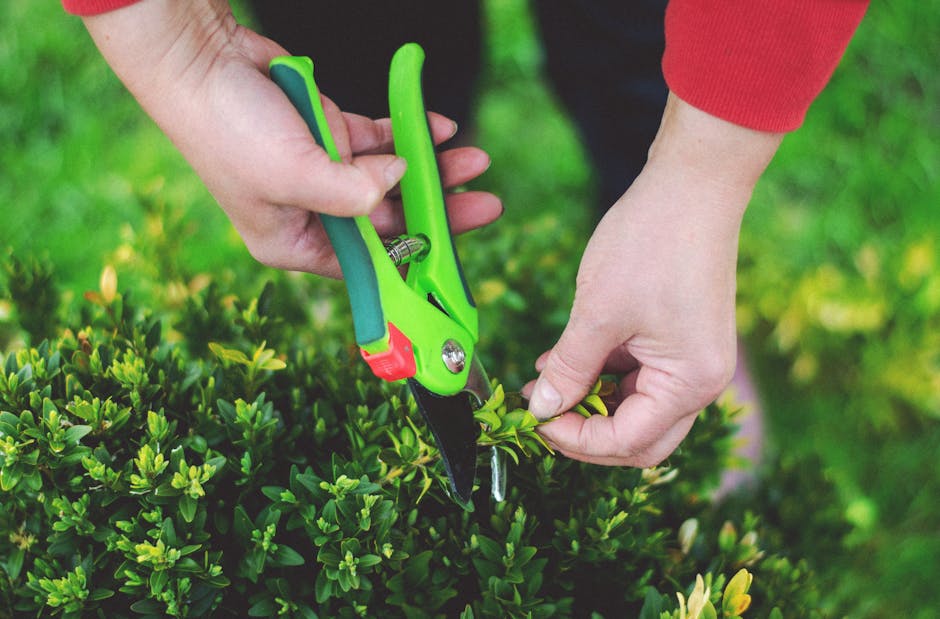
A typical maintenance visit may include lawn mowing, edging, weeding, hedge trimming, pruning of manageable shrubs, feeding where appropriate, sweeping patios or paths, and clearing away green waste. Some gardens need extra attention after windy weather, especially where branches, leaves, or debris collect quickly. If a property has a deck, paved seating area, or larger trees, maintenance can naturally connect with patio cleaning, decking care, or tree surgery when those areas need specialist support.
Good maintenance is also seasonal. Spring is often about growth, recovery, and shaping. Summer brings watering, mowing, and regular tidying. Autumn leans into leaf clearance, cutting back, and preparing beds for colder weather. Winter is the time for protection, structural pruning where suitable, and checking for damage. It is not glamorous, but it works. Gardens reward consistency more than heroics.
If you are comparing options, it can help to think in terms of what needs doing every month versus what only needs a one-off intervention. That simple distinction saves a lot of confusion later.
Key Benefits and Practical Advantages
The most obvious benefit is visual: the garden looks cared for. But the real value goes deeper than that. Regular maintenance protects plant health, supports better growth, reduces weed pressure, and helps reveal small problems before they spread. A struggling lawn, for example, is much easier to turn around if it is aerated, mown correctly, and kept clear of debris before it becomes a mossy mess.
Here are the benefits homeowners usually notice first:
- Better consistency: The garden stays presentable instead of swinging between tidy and neglected.
- Less stress: You do not have to cram several hours of outdoor work into the weekend.
- Healthier plants: Regular pruning, feeding, and clearance reduce avoidable damage.
- Improved usability: Seating areas, lawns, and paths stay more inviting.
- Stronger curb appeal: A maintained front or back garden improves the overall feel of the home.
- Safer spaces: Overgrown edges, slippery paths, and hidden trip hazards are easier to control.
There is also a quieter benefit that people sometimes forget. When a garden is maintained properly, it tends to feel calmer. Borders read as intentional. Lawns look like lawns, not emergency grass. A few well-timed cuts and clears can change the whole mood of the space. That matters, especially if your home garden doubles as your only bit of outdoor breathing room.
Expert summary: the best home garden maintenance is not the most dramatic kind. It is the kind that prevents problems, supports healthy growth, and keeps the garden easy to enjoy all year round.
Who This Is For and When It Makes Sense
Kelsey Park garden maintenance gardeners for homes are a strong fit for a wide range of households, but they are especially useful if you recognise one of these situations.
- You have a busy work schedule and do not want maintenance to become another chore.
- You like the idea of gardening, but only up to a point. To be fair, not everyone wants a second part-time job.
- You have a mature garden that grows quickly and needs regular shaping.
- You have moved into a property with an established garden that has not been maintained consistently.
- You want to keep children's play areas, seating areas, or pet-friendly spaces clear and usable.
- You are preparing a property for sale, rental, or frequent visitors.
- You simply prefer reliable help for tasks that are physically demanding or time-consuming.
It can also make sense if you only need support for part of the year. Some homeowners use maintenance help through spring and summer, then reduce visits in autumn and winter. Others want year-round support because the garden is central to the home's appearance. There is no single correct setup. The right plan is the one that keeps the space manageable without paying for work you do not need.
People with container displays, herb patches, climbers, or mixed borders often benefit most from regular care because these features look wonderful when maintained and messy when ignored. If you enjoy the look of layered planting, you may find useful ideas in these related reads: building an herb garden that inspires and heals and essential tips for successful container gardening.
Step-by-Step Guidance
If you are trying to decide how to organise garden care for your home, a simple process works best. No need to overcomplicate it.
- Walk the garden with fresh eyes. Note what feels urgent, what looks tired, and what is simply annoying you every time you step outside.
- Separate maintenance from improvement work. Maintenance is the regular keeping-on-top-of-it work. Improvement might include redesigning a bed, reshaping a hedge line, or dealing with a neglected corner.
- Identify the recurring jobs. These usually include mowing, edging, weeding, pruning, leaf clearance, and light tidying.
- Check the risk areas. Look for broken paving, slippery areas, unstable branches, poor drainage, and blocked access routes.
- Prioritise the highest-value tasks. In many gardens, this means lawn care, hedge management, and weed control first, then borders and decorative detail.
- Choose a visit pattern. Weekly, fortnightly, or monthly care may suit different garden sizes and growth rates.
- Review after the first few visits. A good maintenance plan should feel easier over time, not more chaotic.
When a garden is badly behind, the process starts with a reset rather than normal upkeep. That usually means clearing back overgrowth, removing debris, defining the boundaries again, and restoring access. The article on starting a neglected garden makeover with purpose and vision is useful if your space is at that stage.
A practical note: if you can only do one thing well, do regular weed control. It is amazing how quickly a garden starts looking cared for once the borders are clean and the edges are crisp. Tiny thing, big difference.
Expert Tips for Better Results
Small decisions make a noticeable difference in home garden maintenance. Here are some of the habits that tend to pay off.
- Keep pruning honest. Do not trim everything into a bland shape. Some plants need space to breathe, while others benefit from more structured cuts.
- Match mowing to the season. Cutting too short can stress grass, especially during dry spells. Longer, steadier mowing is usually kinder.
- Use the right mulch in the right place. Mulch can suppress weeds and retain moisture, but it should not smother the base of plants.
- Do not let climbers run wild. Evergreen climbers can be brilliant for screening, but only if they are guided properly. See evergreen climbers for shady corners for ideas.
- Watch the weather. After wind or heavy rain, a quick inspection can prevent broken stems, blocked paths, and leaning pots becoming a nuisance.
- Choose low-maintenance planting where needed. Some borders are designed to be beautiful without constant intervention. That is not lazy, it is sensible. The post on low-maintenance garden ideas is a good reference point.
Another useful tip: think in layers. Lawns, hedges, borders, climbers, containers, hard surfaces. Each layer needs different attention. If you treat all of them the same, one bit always ends up neglected.
And yes, a good pair of gloves helps more than people admit. Gardening looks idyllic until you are halfway through a thorny shrub with a stiff back and a stubborn bag of cuttings. Been there.
Common Mistakes to Avoid
Most maintenance problems are not caused by bad intentions. They come from delay, overconfidence, or trying to do too much at once. The good news? These are fixable.
- Leaving pruning too late: Once shrubs become overly woody or badly misshapen, the fix is slower and harder.
- Overcutting the lawn: A scalped lawn often struggles more than people expect.
- Ignoring the edges: Untidy borders and overgrown edges make an otherwise healthy garden look forgotten.
- Using the wrong tools: A blunt, tired tool makes maintenance harder and rougher on plants.
- Forgetting drainage and surface care: Leaves, algae, and soil build-up on patios and decking create slips and stains.
- Assuming every garden needs the same routine: A compact courtyard is not the same as a large family garden with mature planting.
One very common mistake is trying to "catch up" a garden in a single heroic session. It feels efficient, but it often leads to half-finished work and sore shoulders. Better to split the work into stages, especially if the garden has become dense or neglected.
If weeds are one of your biggest headaches, the dedicated guide on tackling garden weeds effectively is a sensible companion read.
Tools, Resources and Recommendations
Good maintenance depends on reliable basics, not a shed full of gadgets. A few well-chosen tools are usually enough for most home gardens.
| Tool or resource | What it helps with | Why it matters |
|---|---|---|
| Sharp secateurs | Light pruning, deadheading, stem cleanup | Clean cuts support healthier growth |
| Quality lawn mower | Routine grass maintenance | Consistent mowing keeps lawns denser and tidier |
| Hand fork and hoe | Weeding and soil work | Useful for beds, borders, and tight spaces |
| Rake and leaf collector | Seasonal clearing | Helps keep paths and lawns clear |
| Mulch or compost | Feeding and moisture retention | Supports soil health and reduces weed pressure |
| Maintenance schedule | Planning recurring work | Keeps the garden from drifting into neglect |
For homeowners who like to learn as they go, the site's gardening articles can be surprisingly handy. Transforming your garden with the essential tools gives a straightforward overview of what is worth having, while recycling kitchen waste into rich soil is a practical reminder that garden health starts in the soil, not just on the surface.
If weather exposure is a concern, especially in open or elevated spots, the guide on gardening in high winds is helpful. And for seasonal resilience, winter protection for gardens is worth keeping in mind before the cold sets in.
Law, Compliance, Standards, or Best Practice
For domestic garden maintenance, most of the important considerations are practical and safety-related rather than heavily regulated. Still, there are sensible best practices worth following. Professional gardeners should work in a way that protects people, property, and plants, and homeowners should expect clear communication about what is included and any access or safety concerns.
For example, if work involves ladders, cutting tools, heavy lifting, powered equipment, or debris removal, it should be handled carefully and with proper judgement. Risk awareness matters. So does tidy site practice. Tools should be stored securely, pathways kept clear where possible, and waste managed responsibly. If a job involves trees, larger branches, or more complex structural work, specialist support may be the safer route rather than improvised DIY.
It is also sensible to ask about public liability cover, health and safety expectations, and how the team handles access, waste, and any unusual site hazards. The pages on insurance and safety and health and safety policy are useful for understanding what a careful service should take seriously.
For service terms, pricing clarity, and payment expectations, it is always worth reviewing pricing and quotes, payment and security, and terms and conditions. That way, nobody is left guessing later. A little boring? Maybe. Useful? Absolutely.
Options, Methods, or Comparison Table
Homeowners usually choose between a few common approaches. The right one depends on time, garden size, and how neat you want things to stay between visits.
| Approach | Best for | Pros | Trade-offs |
|---|---|---|---|
| DIY upkeep | Small gardens, confident gardeners | Lower direct cost, full control | Time-heavy, easy to fall behind |
| Ad hoc help | Occasional clear-ups or one-off problems | Flexible and simple to arrange | Less consistency, can become reactive |
| Scheduled garden maintenance | Busy homeowners, medium to large gardens | Reliable results, less stress, healthier continuity | Requires regular budget planning |
| Combined maintenance and improvement | Gardens needing upkeep plus occasional upgrades | Balances tidiness with longer-term progress | Needs good communication and planning |
For many households, scheduled maintenance is the sweet spot. It gives structure without turning the garden into a project that never ends. If your priority is keeping the space ready for everyday life, that usually wins out.
And if privacy or screening is part of the brief, the articles on vigorous hedges for privacy and stylish hedge trimming will give you a better feel for how structure and maintenance work together.
Case Study or Real-World Example
Imagine a typical family home near Kelsey Park with a lawn at the back, a couple of mixed borders, a hedge along one side, and a small front garden that faces the street. Nothing exotic. Just a real, lived-in outdoor space that gets used for kids, pets, bins, bikes, and the occasional barbecue when the weather behaves.
At first glance, the garden seems fine. But after a few weeks, the lawn starts to look shaggy around the edges, weeds appear in the borders, and the hedge begins to steal light from one corner. The patio collects leaf litter and a fine green film that makes it look dull. Nothing dramatic. Just a slow slide into "we really should do something about this."
A maintenance plan changes the picture in stages. The first visit clears the clutter, restores the lawn edges, and gets the paths clean. The next visits keep the hedge in check, control weeds before they flower, and steady the planting so it looks intentional again. Over time, the garden becomes easier to use, easier to enjoy, and much less of a worry.
That is the real value of maintenance. Not perfection. Not magazine-level drama. Just a garden that feels looked after. A place where you can step outside without mentally adding three more jobs to your weekend.
Practical Checklist
Use this checklist if you are deciding whether your home garden needs regular maintenance support.
- Are the lawn edges becoming hard to define?
- Do weeds return before you have time to tackle them?
- Are shrubs or hedges blocking paths, windows, or light?
- Does the patio or deck look slippery, stained, or littered?
- Are fallen leaves or debris building up regularly?
- Do you feel like the garden improves after a tidy-up but slips back quickly?
- Would a recurring visit be easier than occasional catch-up jobs?
- Do you need help with seasonal work as well as ongoing upkeep?
- Is the space used by children or pets and therefore better kept clear?
- Would a more predictable maintenance routine reduce stress at home?
If you ticked several of those boxes, a regular schedule may be worth a closer look. The easiest gardens to live with are usually the ones that are never allowed to get too far out of hand.
Get a free quote today and see how much you can save.
Conclusion
Kelsey Park garden maintenance gardeners for homes offer more than trimming and tidying. They provide continuity, practical know-how, and the steady hands that keep an outdoor space feeling manageable through changing seasons. For busy homeowners, older properties, or gardens that grow faster than you can keep up with, that kind of support is not a luxury. It is often the difference between a garden you enjoy and a garden that nags at you.
The best outcome is simple: a space that looks cared for, feels usable, and does not demand constant rescue. Whether your garden needs light routine upkeep or a more structured maintenance plan, the right approach should leave you with more time, less stress, and a better relationship with your own back garden. And honestly, that is what most people want in the end.
If you are ready to take the next step, use the information here to think clearly about what your garden really needs, then choose a service plan that fits your life rather than fighting it.
Frequently Asked Questions
What do Kelsey Park garden maintenance gardeners for homes usually do?
They typically handle routine tasks such as mowing, edging, weeding, hedge trimming, pruning light shrubs, clearing debris, and keeping outdoor spaces tidy and healthy.
How often should a home garden be maintained?
That depends on the size of the garden and the growth rate of the plants. Many homeowners prefer weekly or fortnightly visits in the growing season, then less frequent care later in the year.
Is garden maintenance the same as landscaping?
No. Maintenance is ongoing upkeep. Landscaping usually refers to redesigning, reshaping, or improving the structure and layout of a garden.
Can garden maintenance help an overgrown garden recover?
Yes, although badly neglected gardens often need an initial clear-up before routine maintenance can take over. The first step is usually reset work, then regular care.
What is the difference between lawn care and lawn mowing?
Lawn mowing is just one part of lawn care. Lawn care can also include feeding, scarifying, aeration, weed control, and improving the overall condition of the grass.
Do I need regular maintenance if I have a low-maintenance garden?
Usually, yes, though the visits may be less frequent. Even low-maintenance spaces need occasional weeding, pruning, sweeping, and seasonal checks.
How do I know if a gardener is right for my home?
Look for clear communication, sensible scheduling, practical knowledge of UK gardens, and a service that matches the type of work your garden actually needs.
Should I ask about insurance and safety?
Definitely. If the work involves tools, ladders, or more demanding tasks, it is sensible to check that safety procedures and cover are in place.
What should I prepare before a maintenance visit?
Clear access where possible, mention any delicate plants or problem areas, and make sure the gardener knows about pets, gates, or anything unusual in the garden.
Can maintenance include patios, decking, and fences?
It can, depending on the service arrangement. Some jobs are better handled as part of related outdoor upkeep, such as patio cleaning, decking services, or fencing work.
Is regular garden maintenance worth it for a small home garden?
Often, yes. Small gardens can look messy quickly, so a light but regular routine can keep them feeling neat without much disruption.
How do I get a quote for home garden maintenance?
The easiest route is to share details about the size of the garden, the main tasks you need help with, and how often you want visits. Then ask for a written quote so expectations are clear from the start.